A Delaware judge refused to dismiss Bayer and Monsanto’s patent suits against Moderna, Pfizer and BioNTech. The ruling keeps the cases alive, but does not establish infringement or finally settle the patent’s validity.
The startup says its first spiral superconducting coil is nearly complete and initial electrical tests could begin in 2027. HARUKA is a systems-integration step—not yet a net-power reactor—and its larger successor remains a 2030s ambition.
The court said combining browsing history, page context and revenue-weighted ad selection remained an abstract idea under Section 101. The nonprecedential ruling is a focused warning about claiming business logic without a specific computing improvement.
A compact deep-learning model distinguished young from aged mouse blood stem cells by reading subtle patterns in DAPI-stained nuclei. Its most immediate value is as a research-screening tool—not a clinical age test or proof of cellular rejuvenation.
Nvidia's Open Agent Safety Platform combines an Apache-licensed sandbox runtime with optional out-of-band hardware monitoring. It could make agent permissions more enforceable, but vendor claims about stopping past breaches remain unproven.
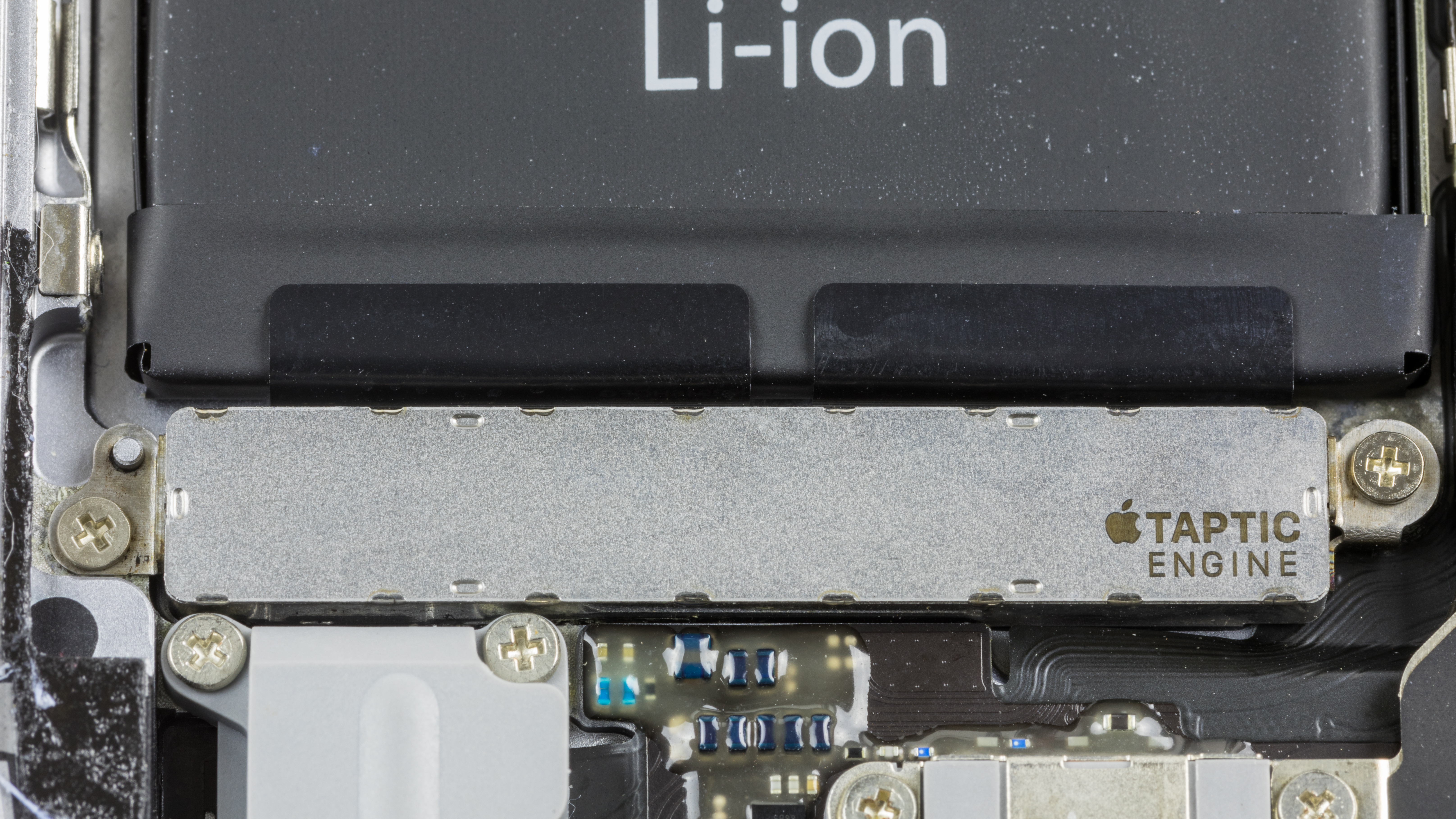
A San Diego jury found that Apple infringed two Taction haptics patents and awarded $5.72 billion, but rejected willfulness. The verdict is a major patent result—not the final endpoint of a case Apple says it will appeal.
Stanford and Caltech researchers connected GPT-6 Astra to a reusable skill library and persistent spatial map, allowing a Unitree G1 to tidy an unfamiliar kitchen and retrieve an out-of-view object. The demonstration is promising, but it remains a research prototype with substantial setup, latency and hardware constraints.
Researchers carbonized a laboratory-made papyrus scroll, detected lead-spiked writing with handheld X-ray fluorescence and reconstructed readable text from CT data. The proof of concept could help identify which surviving Herculaneum scrolls are best suited for virtual unrolling.
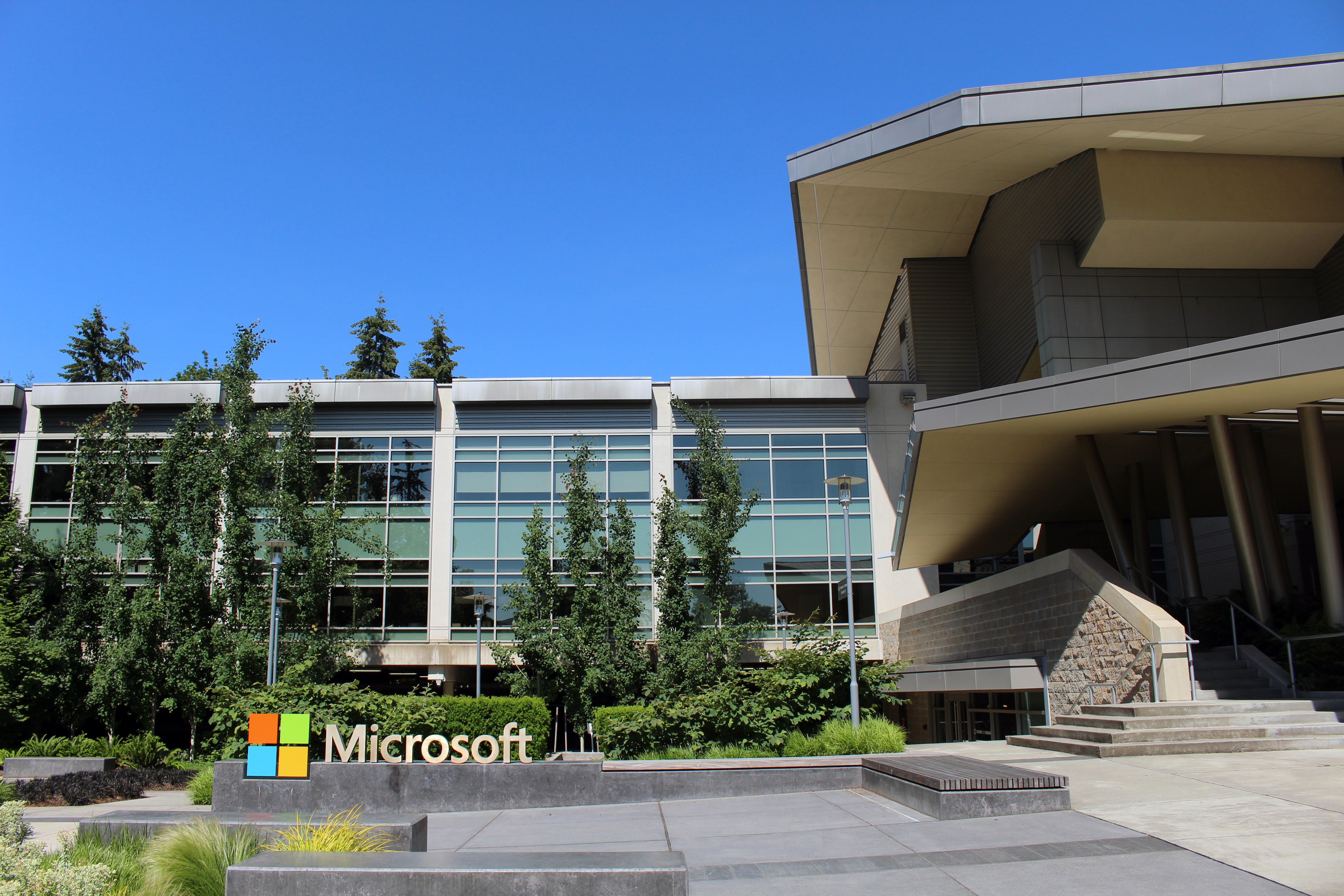
The redesigned Copilot unifies assisted work, internal app building and cloud-hosted agents—but its most ambitious capabilities will arrive through previews and usage-based billing.