Verified reporting on patents, licensing, invention commercialisation, intellectual-property policy and the disputes that shape who can build what comes next. Updated daily.
The Paris Local Division upheld Align Technology’s ridge-based clear-aligner patent and ordered a targeted injunction, recall and destruction across 17 UPC states, while sparing products already delivered for ongoing treatment.
A newly published Subaru application describes a hollow camshaft whose internal balance weight locks at lower speeds and spins freely above a threshold, aiming to suppress imbalance without pulling valve-train resonance into normal engine operation.
A cluster of ASML patent applications describes equipment for aligning, shaping and bonding semiconductor wafers. The documents reveal a serious technical direction, but ASML has not confirmed a commercial bonder.
Beijing has proposed prohibitions or licensing controls for 40 AI, biotech and solar technologies while imposing immediate registration on covered transfers. APIs and most public-domain technology remain outside the planned restrictions.
A Florida jury found that Comcast’s X1 platform infringed claim 1 of WhereverTV’s interactive-program-guide patent and awarded a $213 million reasonable royalty. Comcast disputes the result and says it will pursue an appeal.
OpenAI alleges a former employee sent more than 100 confidential files about an unreleased device to personal accounts and later briefed Apple leaders. Apple says it has found no supporting evidence, while a federal judge has ordered limited fast-track discovery in Apple’s original trade-secret case.
A global settlement ends six patent, trade-secret, contract and antitrust disputes. Liquidia can keep selling Yutrepia for PAH, but it must remove PH-ILD from the label, curb promotion, end trial cohorts and make net payments of $380.7 million.
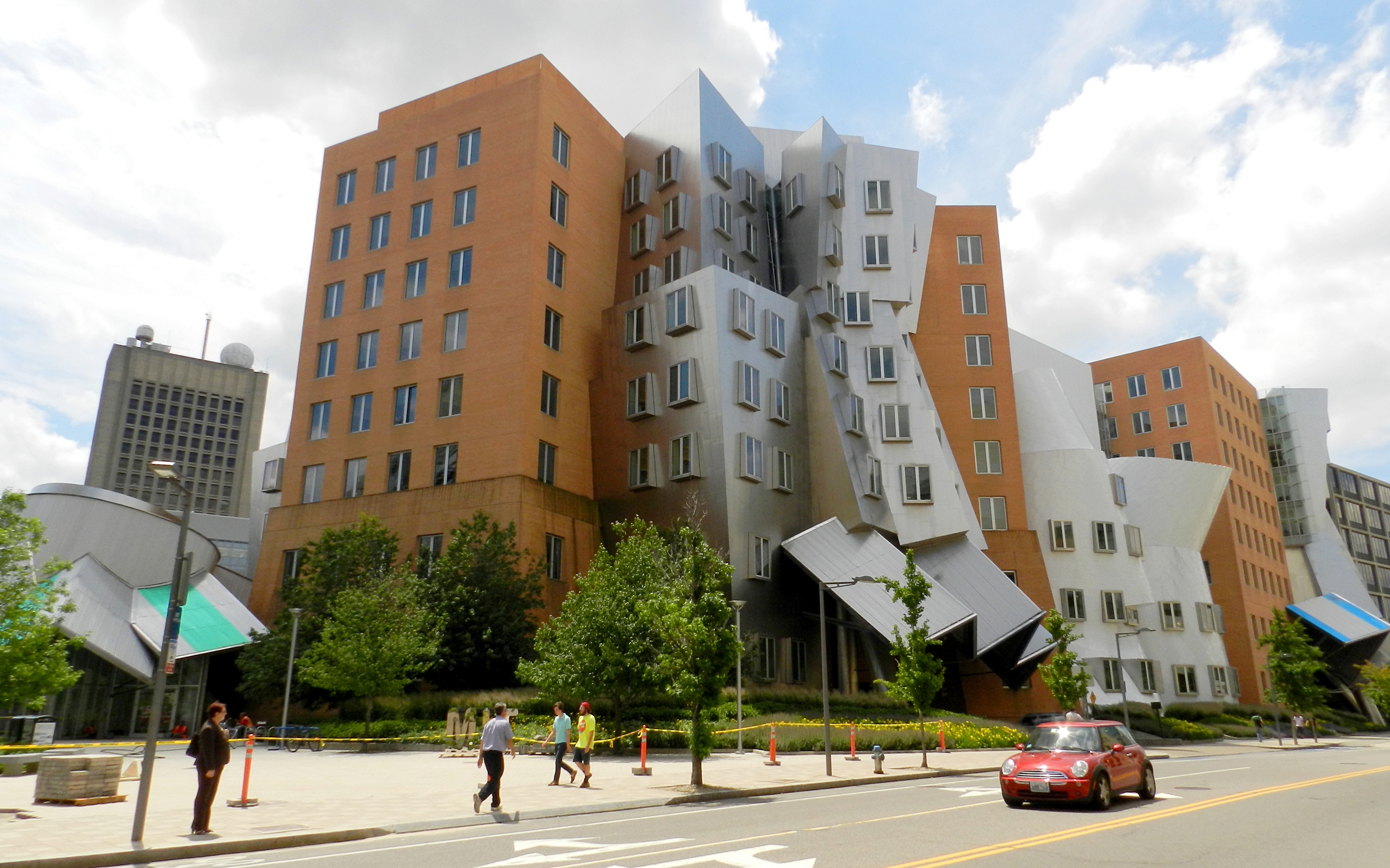
MIT has sued Amazon Web Services over two patents for deriving reliable cryptographic values from manufacturing differences inside chips. The complaint targets physical unclonable function technology supplied by Synopsys, but infringement has not been established and both patents are listed as expired.
A newly published U.S. application describes a single AI architecture that generates text, signals when it needs evidence and retrieves documents without handing the task to a separately trained model. The filing claims lower latency and a smaller footprint, but supplies no benchmark results and has not been granted.