
OpenAI gives Dots a tokenized wallet—but checkout still depends on merchants
ChatGPT Wallet lets persistent agents submit purchases without seeing a user’s actual card number. Every current transaction needs approval, while acceptance, fulfilment and disputes remain with merchants, banks and card networks.
The story
OpenAI has given its persistent Dots agents a way to cross the final boundary in online shopping: submitting payment. ChatGPT Wallet began a limited rollout on November 13, allowing an eligible user to save a card, ask a Dot to shop and approve the resulting purchase without exposing the card’s actual number to the agent or merchant. The product is built with American Express, Mastercard and Visa and is initially restricted to U.S. ChatGPT Pro subscribers aged 18 or older with eligible U.S.-issued cards.
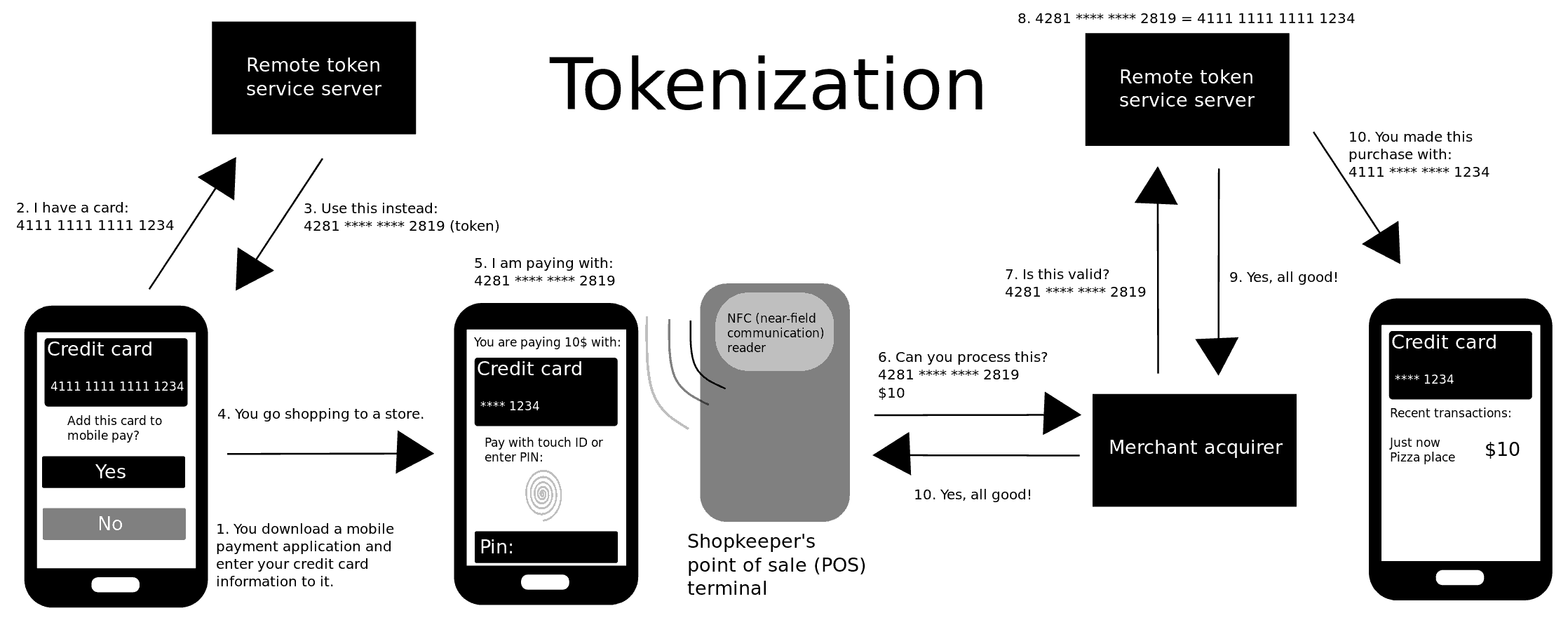
The current flow keeps a human decision immediately before payment. Wallet displays the merchant, items, total and selected card, then asks the user to approve with a security check such as Face ID or a fingerprint scan. After approval, the payment network supplies a substitute credential with its own card number, security code and expiry date. The charge still lands on the selected card account, preserving applicable rewards and cardholder protections.
That design limits one important risk: neither the Dot nor the business receives the number printed on the physical card. It does not make the transaction private in a broader sense. OpenAI’s terms say the system may send the merchant the order, contact, billing, shipping and other information needed for checkout. OpenAI may also retain purchase details, the confirmation screen and the record of approval for transaction, dispute, fraud-prevention or legal purposes.
The biometric check is also narrower than a general identity guarantee. OpenAI says a locally performed check does not give the company the underlying face or fingerprint scan. It confirms that a device’s authentication mechanism approved the action; the user still has to inspect whether the agent selected the right merchant, product, quantity, recipient and delivery details. The Wallet terms explicitly warn that AI systems can make mistakes.
Responsibility is deliberately distributed. ChatGPT Wallet is not a bank account, stored balance, lender or money-transfer service. The card issuer decides whether to authorize the payment, and the merchant decides whether to accept and fulfil the order. The merchant remains the seller and merchant of record, handling prices, inventory, shipping, returns and customer service. A Wallet approval therefore does not mean an order has been accepted.
Compatibility may be the first practical constraint. OpenAI acknowledges that websites can block agents and that fraud engines may treat a legitimate automated checkout as suspicious. Its new Commerce Partner Playbook asks businesses to recognize signed agent requests, keep product data current and coordinate with payment and risk providers. OpenAI names Adyen, Checkout.com and Stripe among payment partners, and Forter, Riskified, Sardine and Signifyd among fraud-prevention companies working on recognition.
The launch differs from a closed marketplace. Bloomberg reported that OpenAI wound down its earlier Instant Checkout feature in March after requiring merchants to supply updated product inventory. Wallet instead tries to work through existing checkout pages and existing card rails. That offers broader theoretical reach but also inherits every inconsistency in merchant websites, bot controls, stock data, taxes, shipping calculations and anti-fraud systems.
OpenAI says every purchase in the present rollout requires a security check. Its product announcement describes fully delegated buying as a future step, with parameters such as spending limits, categories or time windows and additional safeguards. The legal terms already anticipate authority to approve purchases in advance, but that should not be read as proof that broad unattended purchasing is available in the initial release.
The commercial stakes extend beyond convenience. OpenAI says 1.2 billion people use ChatGPT weekly and many already research products there. If even a fraction move from comparison to checkout inside an agent workflow, the interface controlling discovery and transaction preparation gains leverage over merchants. Businesses retain the sale, yet they may face pressure to make catalogs, websites and fraud systems legible to agents or risk becoming inaccessible to a new source of demand.
INNOVOX analysis: tokenization is the mature part of this experiment; delegated intent is the new part. Payment networks already know how to replace card numbers with limited credentials. The harder innovation is producing an auditable chain from a user’s request to the exact goods, price and merchant that an agent submits. A secure token cannot correct a misunderstood request or an inaccurate product page.
What to watch is operational evidence. OpenAI has not published transaction success rates, merchant coverage, fraud-decline rates or error frequencies. Those measures will show whether Wallet can operate beyond controlled demonstrations. Future advance authority will raise the bar again: spending limits must survive changing prices, subscriptions, tips, deposits and partial fulfilment without turning a convenient agent into an unaccountable buyer.
INNOVOX analysis
Wallet moves agentic AI across a meaningful boundary: from recommending a transaction to submitting one. Tokenization narrows card-credential exposure, but it does not solve the harder problems of agent intent, product accuracy, merchant access, fraud scoring, fulfilment and dispute responsibility. The launch is therefore a systems-integration test as much as a payment product.
What to watch
Watch successful checkout rates, mistaken-item and duplicate-order incidents, merchant blocking, fraud declines and the clarity of authorization records. The decisive next step will be whether OpenAI activates advance purchase authority with enforceable spending, category and time limits—and whether regulators and issuers treat those controls as sufficient consent.